
The Ripple Effect
“We are caught in an inescapable network of mutuality, tied in a single garment of destiny.”— Martin Luther King Jr.
This week’s headlines showed how quickly events in one part of the world can create consequences far beyond their borders. From disrupted trade routes and rising food prices to migration, AI governance and extreme weather, every development carried a wider global impact.
1. Global Trade Caught Between Two Strategic Waterways
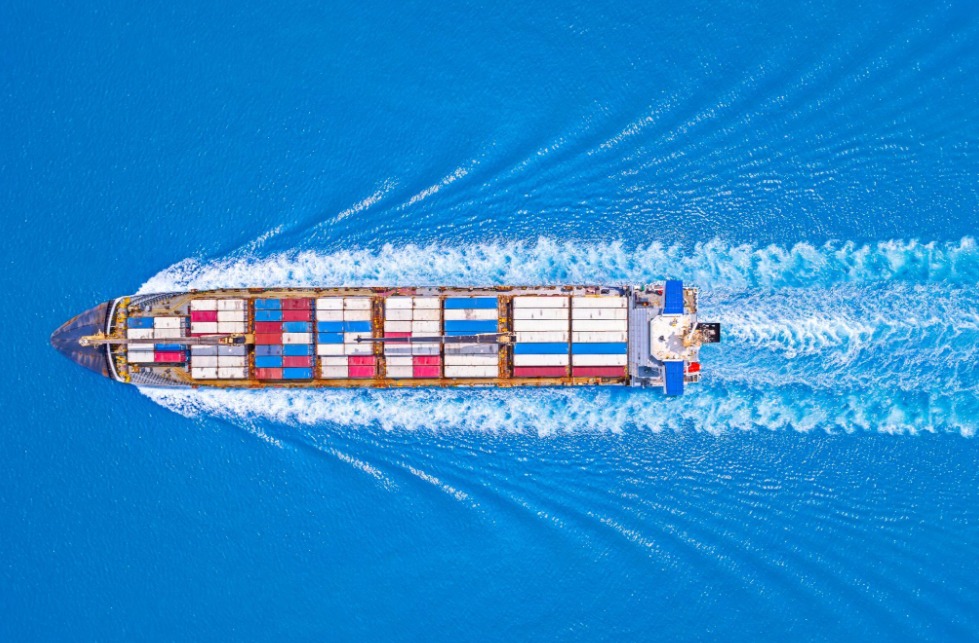
Global trade faced renewed pressure this week as instability affected two of the world’s most important maritime corridors: the Strait of Hormuz and the Black Sea. Expectations that the Strait of Hormuz could partially reopen pushed crude oil prices back towards $80 per barrel, but uncertainty remains over possible transit fees and the conditions under which shipping could safely resume. At the same time, escalating attacks on commercial vessels and export infrastructure in the Black Sea increased transport and insurance costs for oil, grain and other essential commodities. These combined disruptions demonstrate how regional conflicts can quickly generate global economic consequences, affecting energy prices, food supply chains and inflation. Countries dependent on imported fuel, grain and fertilizers remain particularly exposed to any prolonged interruption.
Source: Reuters
2. EU Responds to the Ceuta Migration Emergency
European Union interior ministers held emergency discussions on 4 August following the exceptionally large number of migrant arrivals in Ceuta, Spain’s enclave in North Africa. Spain, the European Commission and the European External Action Service presented their assessments, while EU countries expressed solidarity with Spain and emphasized that protecting the Union’s external borders is a shared responsibility. The talks focused on strengthening border management, combating migrant-smuggling networks, improving return procedures and developing closer cooperation with countries of origin and transit. Ministers also discussed better early-warning systems and more coordinated communication during migration emergencies. Although most of those who entered Ceuta had subsequently returned, the crisis reopened the wider political debate about whether the EU possesses sufficiently effective, coordinated and humane mechanisms for responding to sudden pressure at its external borders.
Source: Reuters
3. Washington Defines Its Approach to Advanced AI Safety
Representatives of Meta, Anthropic, Google, OpenAI and other major technology companies met with White House officials to discuss a new voluntary framework for testing the safety of advanced artificial-intelligence models. The proposed tests are intended to assess highly capable systems, particularly those that could potentially perform sophisticated cybersecurity tasks. However, the administration informed companies that open-weight models—systems that can be downloaded, modified and adapted by users—would not currently be included in the testing framework. The decision has intensified the debate over how the United States should balance technological innovation, international competitiveness and public safety. Critics argue that voluntary and selective testing could leave significant gaps in oversight, while supporters of open models warn that excessive restrictions could limit research and weaken American competitiveness.
Source: Reuters
4. Global Food Prices Rise Amid New Supply Risks
The UN Food and Agriculture Organization reported that global food commodity prices increased in July, reflecting renewed pressure from extreme weather, energy-market developments and geopolitical instability. The FAO Food Price Index reached 131.1 points, representing a monthly increase of 0.6% and an annual rise of 1%. Cereal prices increased by 3.4%, while global wheat prices rose by 5.8% because of concerns about Black Sea export disruptions and the effects of heatwaves on harvests in major producing countries. Sugar prices increased by 5.6%, and vegetable-oil prices reached their highest level since June 2022. Although meat and dairy prices declined, the broader trend raises concerns about food affordability, particularly for low-income countries and households already affected by higher energy and transportation costs.
Source: FAO
5. Extreme Heat and Wildfires Put Climate Resilience to the Test
Extreme weather intensified across Europe and Asia this week, highlighting the growing economic and social consequences of climate change. The European Union called for greater investment in wildfire prevention as the estimated economic damage caused by fires this summer exceeded €15 billion. Meanwhile, Seoul recorded temperatures approaching 40°C, prompting South Korean authorities to mobilize additional resources and introduce protective measures for outdoor workers and older people. Japan also issued evacuation warnings as Typhoon Dolphin brought further weather-related risks. Beyond the immediate disruption, these developments demonstrate that governments must shift from emergency response towards long-term climate resilience—including stronger prevention systems, heat-protection plans, improved water management and more climate-resilient infrastructure.
Source: Reuters
- By Strategers